ILM Reveals How It Brought Real Dejarik Creatures to Life for 'The Mandalorian and Grogu'
Industrial Light & Magic details the painstaking process of transforming the iconic holographic game pieces into massive, tactile monsters for the film's gladiatorial arena sequence.
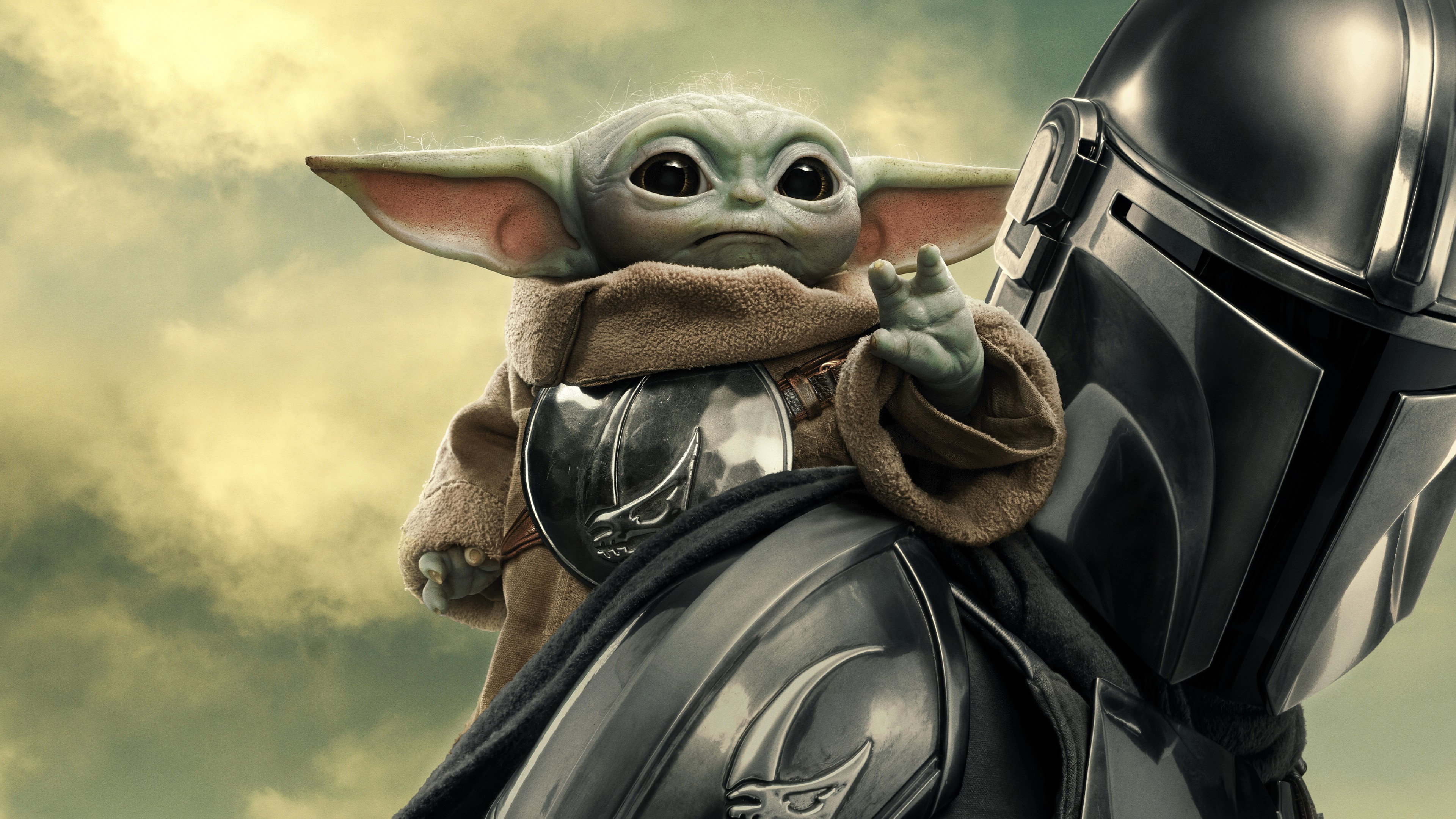
“It was Jon’s idea that the holochess figures that you saw in the original Star Wars were just meant to be the Happy Meal toy version of an actual battling creature somewhere in the galaxy.”
- Director
- Jon Favreau
- Starring
- Pedro Pascal, Jeremy Allen White, Sigourney Weaver
- Release
- 2026
- Genre
- Action, Adventure, Science Fiction
- Where to Watch
- Theaters, Amazon Video, Apple TV, Fandango At Home
Industrial Light & Magic (ILM) production animation supervisor Hal Hickel and his team detailed the process of bringing the iconic Dejarik creatures to life for the 2026 film The Mandalorian and Grogu, according to Industrial Light Magic. The creatures, originally seen as holographic game pieces in 1977's Star Wars: A New Hope, appear as massive, real monsters in a gladiatorial arena sequence in the new movie.
The idea originated with director Jon Favreau. Hickel recounted the director's vision, stating, "It was Jon’s idea that the holochess figures that you saw in the original Star Wars were just meant to be the Happy Meal toy version of an actual battling creature somewhere in the galaxy."
How did ILM design the real creatures?
The journey began with the Lucasfilm Art Department, led by production designer Doug Chiang, who created new designs based on Phil Tippett's original stop-motion holograms. The goal was to make them believable as ten-foot-tall beings. Lead CG modeler Masa Narita and his team then built detailed 3D models. "It was a dream come true," Narita said. "We had the opportunity to expand on their designs and add much more detail, still keeping their classic look."
Hickel emphasized the team's focus on realism. "When audiences finally see them onscreen, we hope they can imagine what their breath smells like or what it would feel like to put their hand on them," he said. To achieve this, artists studied real-world animal textures from creatures like rhinoceroses, alligators, and snakes.
What inspired their movement?
Animators looked to a wide range of references to create lifelike motion. For the Kintan Strider and Savrip, they studied gorillas and professional wrestlers to capture a sense of massive power. The movement for the K’lor’slug was inspired by Randall from Monsters Inc., while the Molator's run was based on the sideways gait of an orangutan. Hickel noted the animators' process: "we pre-animated the sequence as a way to work out the gags that we wanted to happen. It was very rough animation, not polished at all, but it gave us a sense of the shape of the sequence ahead of shooting."
This meticulous work transforms a fleeting 30-second holographic game into a key action set piece, grounding the fantastical creatures in a tangible reality for the big-screen adventure.
Frequently Asked Questions
Who originally created the Dejarik holograms?
The original holographic Dejarik creatures were created by renowned stop-motion animator Phil Tippett, a founding member of Industrial Light & Magic, for a brief scene in Star Wars: A New Hope (1977). Director George Lucas had initially planned to film the sequence with actors in costume but turned to Tippett for a stop-motion solution at the last minute.
What is the premise of 'The Mandalorian and Grogu'?
The film follows the legendary Mandalorian bounty hunter Din Djarin and his young apprentice, Grogu, as they are enlisted by the fledgling New Republic. Their mission is to help protect the galaxy's hard-won peace from scattered Imperial warlords in the aftermath of the Empire's fall.
More from The Screen Report
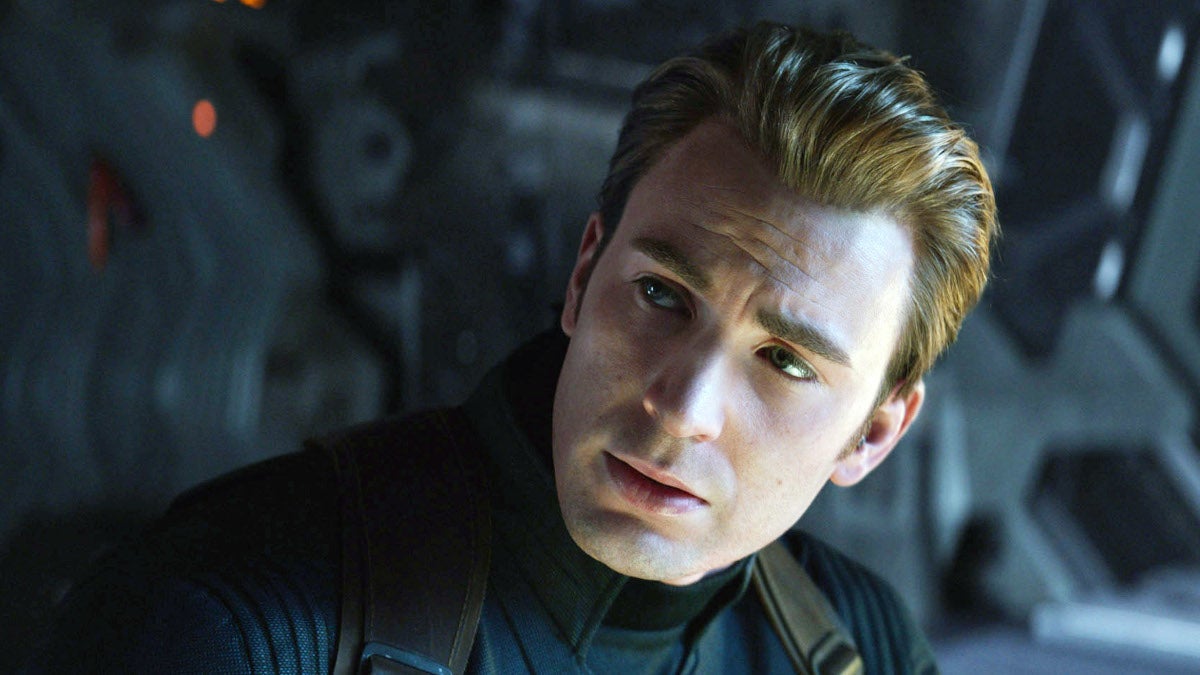
Chris Evans Reveals Marvel Pitched a Dozen Captain America Returns Before Doomsday
The star says Robert Downey Jr.'s comeback and Joe Russo's vision convinced him to finally reprise his role as Steve Rogers.

‘Transformers: The Movie’ Returns to Theaters in 4K This September with New Post-Credits Scene
The 1986 animated classic hits theaters on September 17 with an exclusive new sequence, part of Hasbro's 'Apology Tour' for Optimus Prime's death.
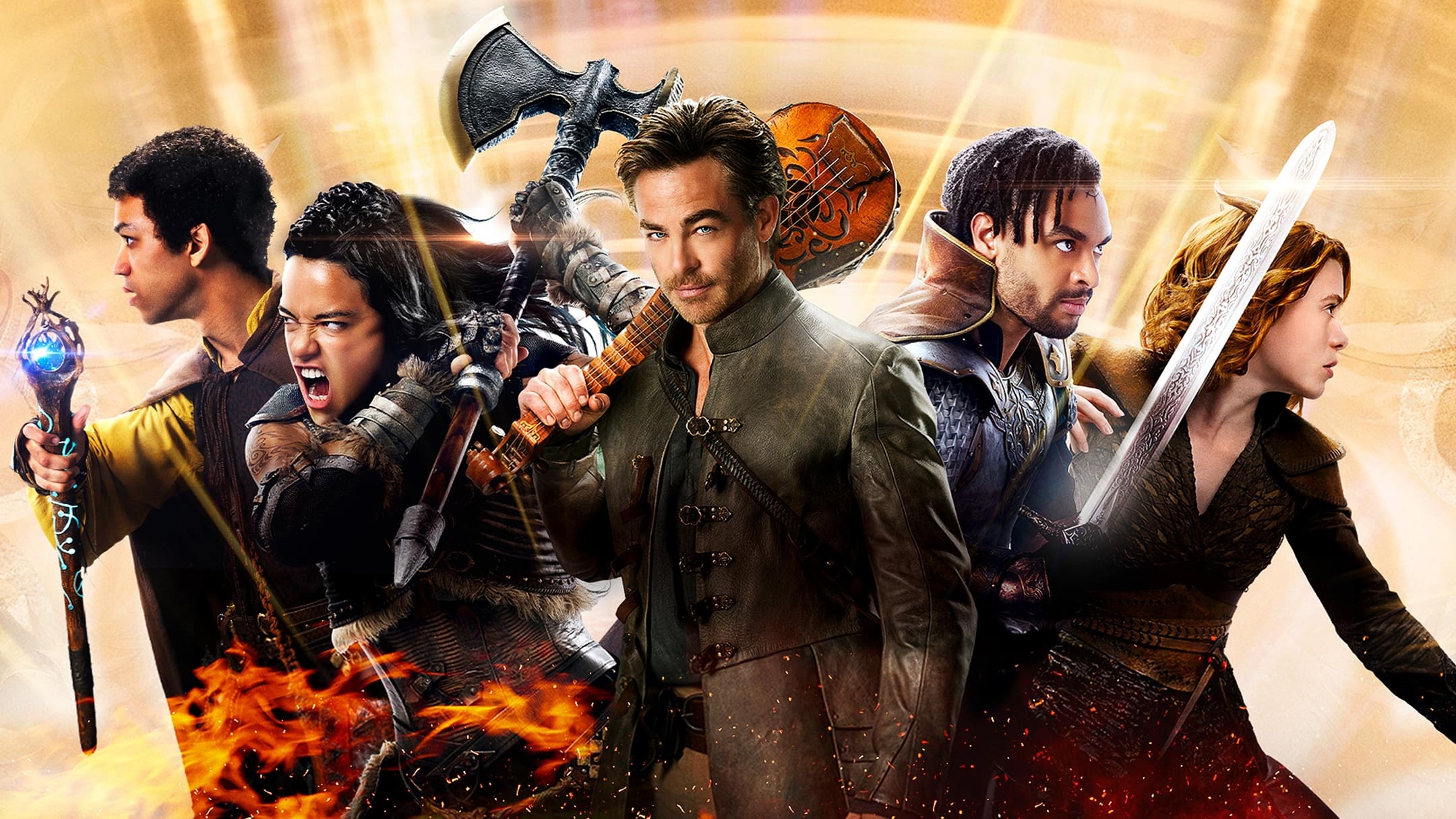
Dungeons & Dragons Sequel Script Exists, But Director Doubts It Will Ever Be Made
Co-director Jonathan Goldstein revealed at Comic-Con that a sequel script is finished, but financial hurdles from the first film's box office make its future uncertain.
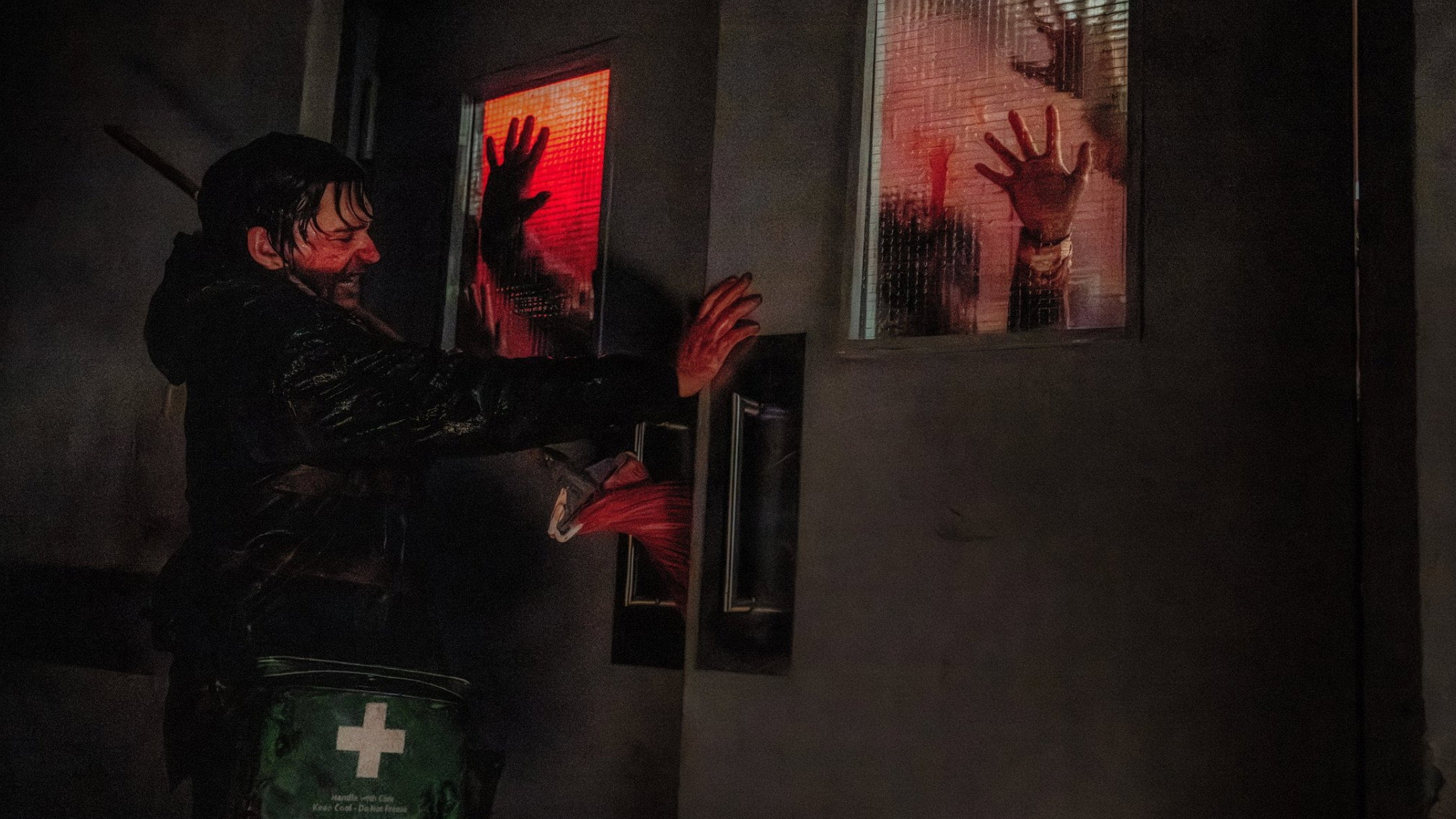
Resident Evil Director Zach Cregger Defends Creative Liberties for 2026 Adaptation
The 'Weapons' director explains why his film is set in modern times with snow, not directly adapting the 1998 video game's setting.